
The Thrill of Risk: Understanding High-Stakes Gambling
High-stakes casino decisions often stem from a complex interplay of psychological factors, including thrill-seeking behavior, the desire for social recognition, and the impact of adrenaline. Individuals drawn to high-stakes environments often experience an intense pleasure from the risk involved, which can lead to a rush of excitement. In fact, many players also look to discover the best online betting sites to enhance their gambling experience. This thrill can override rational thinking, pushing players to make decisions based on emotions rather than calculations.
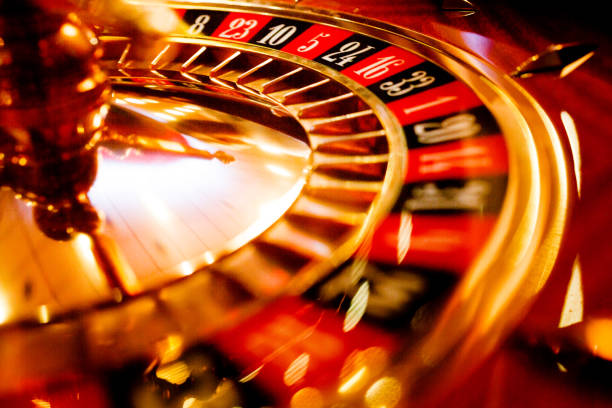
Moreover, many gamblers thrive on the social aspects of high-stakes games. The camaraderie formed with fellow players and the attention garnered from onlookers can amplify the experience, making the act of gambling not just about winning money, but also about the social dynamics at play. This social pressure can lead to increased stakes as players compete for status and recognition within the casino environment.
The Role of Cognitive Biases in Decision-Making
Cognitive biases heavily influence how high-stakes gamblers make decisions. One prevalent bias is the illusion of control, where players believe they can influence the outcome of a game, despite it being based purely on chance. This belief can lead to increased betting and risk-taking behavior, as players feel empowered by their perceived control over the situation.
Additionally, the sunk cost fallacy often affects gamblers. Once a player has invested a significant amount of money, they may continue to gamble in hopes of recovering losses, despite the odds being against them. This persistence, fueled by emotional factors, can lead to even higher stakes and bigger losses, illustrating the powerful grip that cognitive biases have in high-stakes casino decision-making.
Emotional Regulation and Impulsivity
Emotional regulation plays a crucial role in how individuals respond to high-stakes situations. For some, gambling serves as an escape from negative emotions or stress, leading to impulsive decisions that can escalate quickly. The immediate feedback loop of wins and losses can further amplify emotional reactions, making it difficult for players to maintain a level head.
Impulsivity in gambling often results in a heightened state of arousal, which can cloud judgment and lead to riskier decisions. This emotional rollercoaster, combined with the lofty potential for huge payouts, creates an environment where rational thought is easily overshadowed by the need for immediate gratification. Understanding the effects of emotional regulation is key to grasping the psychology behind high-stakes decisions.
The Impact of Environment on Gambling Behavior
The ambiance of a casino significantly influences gamblers’ decision-making processes. High-stakes areas are designed to evoke excitement, filled with bright lights, sounds, and a mix of scents that create an immersive experience. This carefully crafted environment can heighten arousal levels, prompting faster and more impulsive betting decisions.
Furthermore, the presence of other high-stakes players can create an atmosphere of competition and urgency. Observing others winning or taking risks can lead individuals to elevate their own stakes, driven by the desire to match or exceed the actions of their peers. This environment can fuel a cycle of increased risk-taking, making it essential to consider how physical space shapes gambling psychology.

Conclusion: Insights into Casino Psychology
Understanding the psychology behind high-stakes casino decisions reveals the intricate layers of human behavior in a gambling context. The blend of thrill-seeking, emotional regulation, cognitive biases, and environmental influences shapes how players engage with games of chance. By dissecting these elements, we gain better insights into not only why people gamble but also how to approach the potential risks associated with high-stakes gambling.
Our website aims to further explore these psychological factors and provide valuable resources for individuals interested in the dynamics of gambling. Whether you’re a casual player or a seasoned gambler, understanding the psychological aspects can enhance your experience and awareness in the casino environment.